Crypto markets can be a wild ride, with exhilarating highs often followed by gut-wrenching lows. Many investors see massive gains during bullish trends only to watch them evaporate in sideways or bearish phases. The key to preserving your portfolio lies in avoiding common pitfalls that trap even seasoned traders. This article dives into five critical mistakes crypto investors make in choppy markets and offers actionable strategies to steer clear of them. Whether you're a beginner or a veteran, these insights will help you navigate the volatile crypto landscape with discipline and confidence.
The Perils of Slow Decision-Making
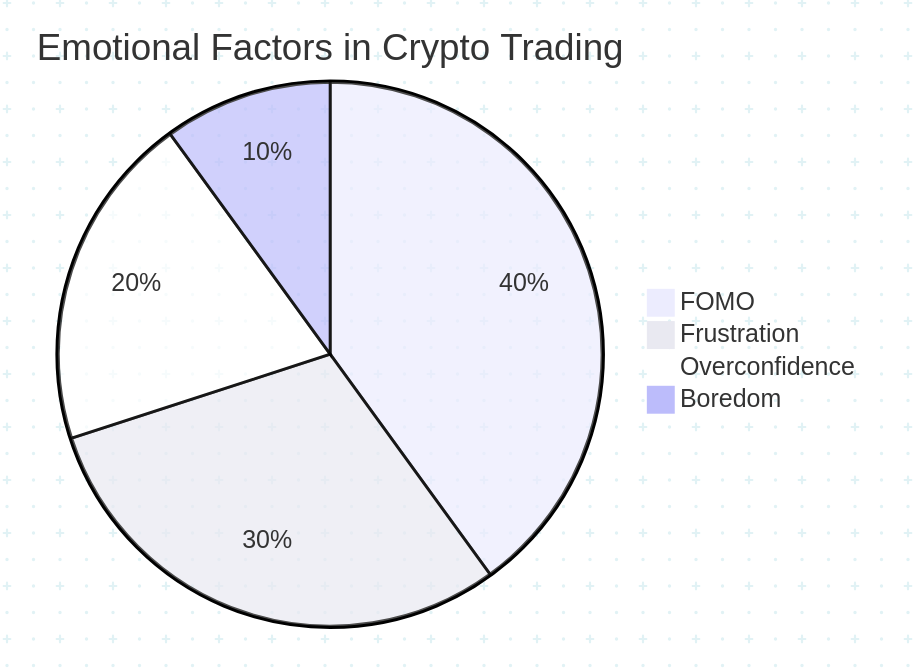
In crypto, hesitation can be costly. Opportunities often arise from compelling setups — whether it's a promising chart pattern, a groundbreaking technological innovation, or strong on-chain signals like whale wallet activity. However, in dull or sideways markets, investors often become lethargic, missing the window to act. By the time social media buzz ignites and FOMO (fear of missing out) takes over, they jump in late, buying at the peak.
How to Avoid It:
- Act Swiftly on Signals: Develop a system to identify opportunities early, using tools like technical analysis or on-chain data platforms (e.g., Glassnode or Nansen).
- Resist FOMO: If a token is already trending heavily on platforms like X, it's often too late to enter. Accept that you've missed the train and wait for the next setup.
- Fun Fact: According to a 2023 Chainalysis report, 60% of crypto trading volume occurs during periods of high market sentiment, often driven by FOMO, leading to overbought conditions.
Confusing Strength with a Trend Reversal
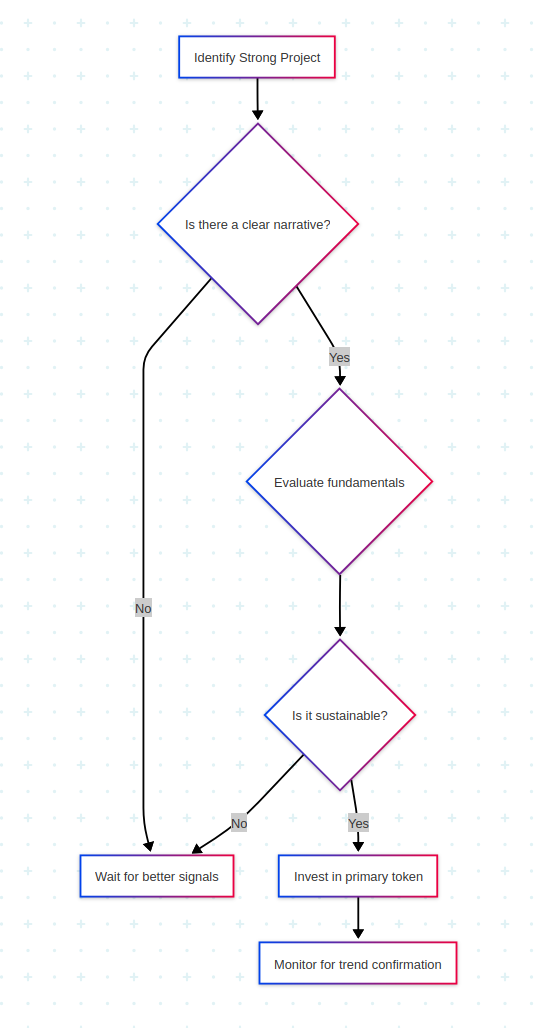
Three consecutive green candles on a chart can spark euphoria, but don't mistake short-term strength for a long-term trend reversal. A project may outperform a weak market due to a strong narrative or innovation, but without a robust thesis, it's unlikely to sustain a broader trend shift. For example, projects like Hyperliquid have shown exceptional strength due to unique narratives, but most tokens don't have that staying power.
How to Avoid It:
- Build a Thesis: Before investing, ask why a project is gaining traction. Is it a fleeting pump or a fundamental shift? Research its technology, team, and market fit.
- Focus on Established Tokens: In ecosystems like Virtuals, which recently pivoted to add utility to its token, stick to the primary token rather than chasing riskier, low-cap alternatives.
- Curious Data Point: A 2024 Dune Analytics study found that 70% of low-cap tokens in emerging ecosystems lose 80% of their value within three months of a pump.
Emotional Frustration and the Vicious Cycle
Sideways or bearish markets breed frustration. Missed opportunities and lower returns can erode confidence, leading to a vicious cycle: you doubt your skills, enter trades late, lose money, and spiral further into self-doubt. This emotional rollercoaster clouds judgment and amplifies losses.
How to Avoid It:
- Accept Lower Returns: Understand that choppy markets naturally yield lower profits. Focus on capital preservation over chasing unrealistic gains.
- Adopt a Rational Strategy: Create a rule-based system for entries and exits, using predefined price levels, timeframes, or on-chain metrics (e.g., whale wallet sell-offs tracked via Etherscan).
- Balance Intuition and Logic: Intuition plays a role in crypto, but anchor it with data-driven signals to avoid emotional trades.
Trading Out of Boredom
Boredom is a silent portfolio killer. In quiet markets, the lack of action tempts investors to make impulsive trades outside their comfort zone, chasing adrenaline rather than sound opportunities. These "boredom trades" often involve oversized positions in high-risk assets, leading to significant losses.
How to Avoid It:
- Stick to Your Strategy: Only trade when your predefined signals align, regardless of how long it's been since your last move.
- Manage Position Sizes: Avoid oversized bets on speculative trades, especially in unvetted projects.
- Interesting Stat: A 2022 Coinbase study revealed that 25% of retail traders admitted to making impulsive trades during low-volatility periods, with 80% of those trades resulting in losses.
Ignoring Liquidity
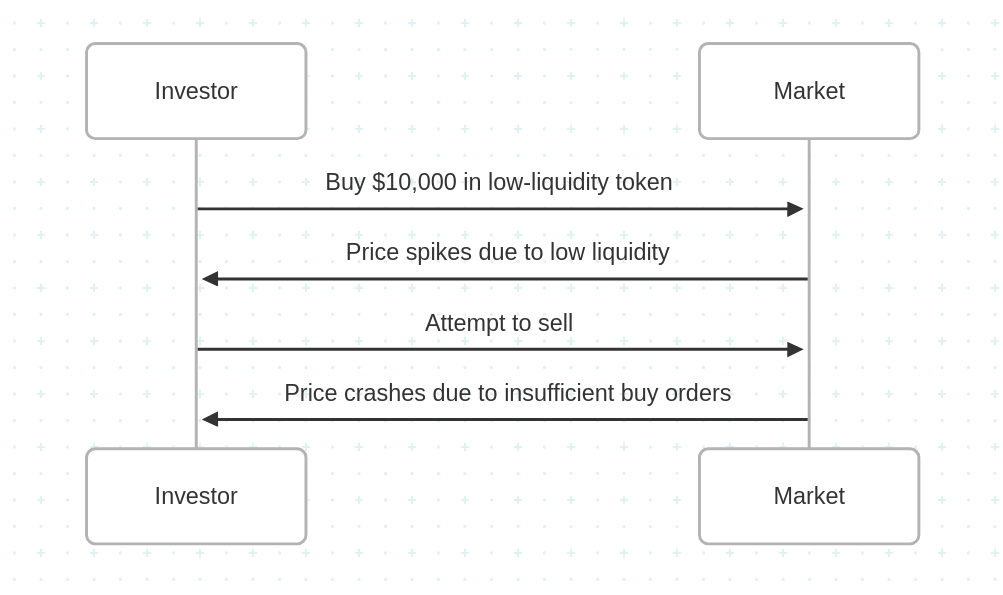
Liquidity is the lifeblood of crypto markets, yet many investors overlook it. A project's market cap doesn't tell the whole story. For example, investing $10,000 in a project with $2 million market cap but only $100,000 in liquidity can lead to extreme volatility. Low liquidity amplifies price swings — up during buys, down during sells — potentially wiping out your capital in minutes.
How to Avoid It:
- Check Liquidity Metrics: Use platforms like CoinMarketCap or DexTools to assess a token's trading volume and liquidity pool depth.
- Secure Early Profits: In low-liquidity projects, take initial profits quickly to minimize exposure to sharp drops.
- Quick Tip: Projects with liquidity below $500,000 often experience 50–90% price swings during sell-offs, per 2024 DeFiLlama data.
The Discipline Advantage: A Bonus Insight
In choppy or bearish markets, building large positions without a disciplined strategy is a recipe for disaster. The most successful investors in these phases aren't the smartest — they're the most disciplined. They stick to well-defined entry and exit plans, monitor market conditions closely, and avoid the "buy and forget" mentality.
Actionable Steps:
- Set Clear Rules: Define entry prices, exit targets, and investment timeframes.
- Stay Active: Choppy markets demand constant attention to avoid being caught off-guard by sudden shifts.
- Pro Insight: If you're not confident navigating flat markets, sit them out. Waiting for a bullish trend can yield higher returns with lower risk, as bull markets historically amplify gains for patient investors (e.g., Bitcoin's 2020–2021 rally saw 300% returns for holders).
Conclusion: Master Discipline to Protect Your Portfolio
Crypto investing is as much about avoiding mistakes as it is about seizing opportunities. By acting decisively, distinguishing strength from trends, managing emotions, resisting boredom, and prioritizing liquidity, you can safeguard your portfolio in choppy markets. Discipline, not intelligence, is the key to surviving and thriving in these conditions. Reflect on your own trading habits: Are you falling into these traps? Share your experiences or additional mistakes you've encountered in the comments below — let's learn from each other to build stronger portfolios.
source: https://raglup.medium.com/5-costly-crypto-investing-mistakes-to-avoid-in-choppy-markets-f969a5322eea?source=rss-f56f44caad34------2
Comments
Post a Comment